Outdoor Movie Night Snacks: A Practical Serving Plan
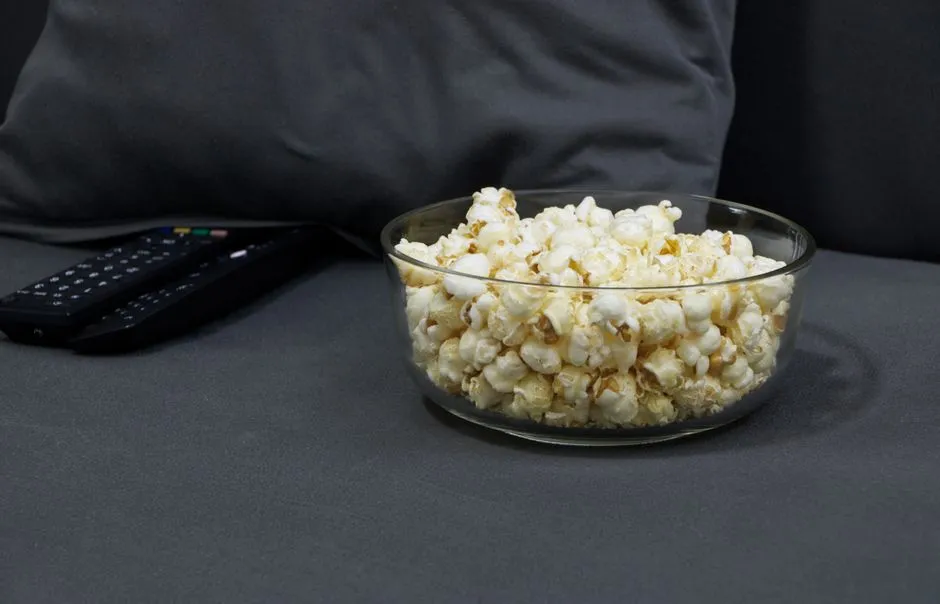
What snacks work best for an outdoor movie night?
Choose dry snacks you can eat from a small container: plain popcorn, crackers, pretzels and unfilled cookies, with ingredients checked for your guests. Keep popcorn reserves sealed and bring out small portions. Do not serve popcorn or whole kernels to children under four; older children's readiness also matters. Arrange their snacks with their caregivers.
An outdoor screening changes the menu in small but useful ways. A lawn chair has no dining table. A tray that looked manageable in the kitchen becomes awkward when you are holding a drink and finding your seat. Plan for that setting first, then choose the flavors.
The menus below are editorial suggestions for adults and older children who can manage the foods. They are not recipes or a claim that every packaged version has the same storage needs. Read the particular product's directions.
Which menu suits your setup?
| Your evening | A workable snack selection | How to serve it |
|---|---|---|
| No refrigerator or cooler available | Plain popcorn, dry crackers and unfilled cookies sold for room-temperature storage | Keep foods separate, with one opened container of each at the table |
| Guests arrive straight after dinner | Popcorn plus a sweet biscuit or cookie | Offer the second snack separately so guests can choose salty, sweet or both |
| A cooler is available and someone will manage it | The dry menu, with individual refrigerated dip or dessert portions | Offer chilled items at a planned break, following the cold-food limits below |
| A mixed-age family screening | An older-guest menu plus each young child's caregiver-selected snack | Give the child's own portion directly to the supervising caregiver |
For a simple shopping list, choose a plain popcorn, a savory cracker and a cookie without chocolate coating or refrigerated filling. The contrast comes from the three different snacks; you do not need a dozen toppings. Water in reusable bottles completes the setup without a separate pouring station.
If you want a theme, use the names on your menu cards or the color of the napkins. Turning every snack into a decorated project makes packing more complicated. A familiar cookie tastes just as good without an elaborate display.
For indoor options, browse the movie-night snack collection. The popcorn-for-movie-night guide covers choosing a popping method and planning quantities; this guide deals with what happens between the kitchen and the lawn chair.
How do you keep popcorn crisp in evening damp?
Packing and serving are different jobs. For storage, Riehle's Select Popcorn recommends an airtight plastic or glass container for popped popcorn. An open serving cup cannot provide that seal. Use it for the portion someone is eating, while keeping the reserve closed.
If you make the popcorn yourself, let it cool completely before sealing it. Pops Corn's outdoor guide explains that trapped steam condenses inside a closed container and that humid air softens popped corn. These are texture concerns; a sealed tub is not a promise of indefinite freshness or a substitute for the storage directions of added ingredients.
Our serving suggestion is to keep the reserve indoors when the kitchen is nearby and carry out refills as needed. For a driveway setup farther from the kitchen, bring closed food containers and open one at a time. Leave room in the serving cups for a hand to reach in without tipping popcorn over the rim.
On a damp evening, skip the decorative arrangement of filled cups sitting out before guests arrive. Put the empty cups in a tray and fill them when people are ready. Keep dry popcorn away from wet toppings and the drinks station.
What should you skip outside?
Choose according to how the snack will be eaten, not how it photographs on a platter.
- Loaded nachos: a separate plate and fork may be fine at a table, but are cumbersome in a low chair. Offer plain chips as another dry option if that suits your group.
- Chocolate-coated treats in warm weather: our preference is an uncoated cookie, which avoids having to organize the menu around protecting the coating.
- A communal dip station during the film: make it a supervised intermission option if you can manage cold storage, rather than asking guests to navigate a buffet in darkness.
- Open drink pitchers beside the food: individual bottles take less serving space and reduce the need to pour between snack containers.
- Several heavily seasoned popcorn flavors: select one familiar flavor and offer other foods separately. It makes the menu easier to explain and pack.
Use fitted lids when food is not being served, and clear wrappers and spills promptly. For insects, our practical approach is to minimize exposed food and open waste: keep a covered rubbish container away from the serving table. Covers do not make contaminated food acceptable to serve. If insects or weather make the food area unmanageable, move serving indoors.
How do you handle cold snacks safely?
FDA outdoor-food guidance says to hold cold perishables at 40°F or below. Use a cooler with ice or gel packs and a thermometer. Once served, the limit is two hours, or one hour above 90°F outdoors; discard food left out longer.
For example, a dessert served at 7 p.m. must be cleared by 9 p.m., or 8 p.m. above 90°F. This assumes it stayed properly cold beforehand.
What changes when children or guests with allergies come?
The American Academy of Pediatrics includes popcorn among choking hazards to withhold until at least age four, depending on development and maturity. Removing unpopped kernels does not make popcorn suitable for younger children. Have children eat sitting down under supervision, not while walking or playing. A dark screening must not prevent the caregiver from seeing the child eat; use a lit eating area or serve their snack before the film. Ask their pediatrician about individual feeding concerns.
Ask about food allergies before shopping. The FDA advises reading labels and avoiding relevant allergens; cross-contact means an allergen is introduced unintentionally. Keep original packets available. Our hosting approach is separate containers and dedicated utensils, with an agreed individual option for an allergic guest. Do not promise an allergen-free setup when you cannot establish one.
What should be ready before you press play?
Walk through the snack trip once with the lights set as they will be during the film. Can a guest see the menu, identify their container and return to their seat? Keep the route clear and illuminated, without trailing cables across it.
Put napkins beside the empty cups, give used utensils a separate landing place, and have a tray ready for carrying things back inside. Make handwashing available before food is handled.
Choose an intermission if refills would otherwise interrupt the film. The aim is a short, easy visit to a usable table, followed by a snack that fits comfortably beside a chair.