How to Make Popcorn on the Stove (No Burnt Kernels)
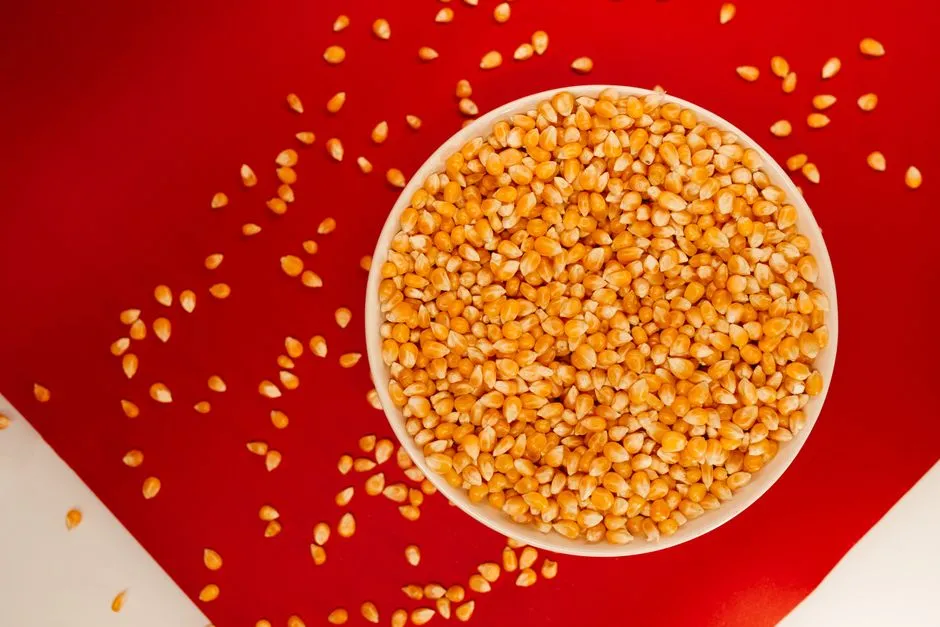
How to Make Popcorn on the Stove
To make popcorn on the stove, heat 3 tablespoons of a high-smoke-point oil in a heavy 6-quart pot over medium heat, drop in 3 test kernels, and wait for all three to pop. Add 1/2 cup of kernels, cover with the lid slightly ajar, and shake the pot every 5 to 10 seconds. When the popping slows to 2 to 3 seconds between pops, pull the pot off the heat immediately. You'll get about 12 to 14 cups of hot, crisp popcorn in roughly 6 to 10 minutes — no burnt kernels, no fancy equipment.
That's the whole method in one paragraph. The rest of this guide explains why each step matters, because stovetop popcorn is one of those recipes where a single skipped detail — the wrong pot, the wrong heat, a sealed lid — is the difference between a fluffy bowl and a smoking mess.
Why the Stovetop Beats Every Other Method
A hot-air popper is convenient and a microwave bag is fast, but the stovetop wins on flavor and control. Popping kernels directly in oil seasons every piece as it opens, so salt actually sticks instead of sliding to the bottom of the bowl. You choose the oil, you choose the salt, and you choose exactly when the batch comes off the heat — none of which a sealed bag lets you do.
The trade-off is that the stovetop punishes inattention. Kernels sitting in hot oil will scorch in the time it takes to check your phone. The technique below is built around never letting that happen.
What You Need
Equipment
- A heavy 6-quart pot with a lid (5 quarts is the practical minimum). Half a cup of kernels expands to 12 to 14 cups — 3 to 3.5 quarts of finished popcorn, still expanding while you shake the pot with the lid cracked. A 4-quart pot leaves almost no headroom, so the lid gets pushed off and popped corn spills onto a live burner. Thick-bottomed stainless steel or enameled cast iron is ideal; a thin, lightweight pot creates hot spots that burn kernels before their neighbors even pop. A 6-quart Dutch oven works beautifully.
- Oven mitts or a folded towel. You'll be shaking a hot pot; protect both hands.
- A big bowl — a 4-quart mixing bowl or larger, to hold the finished batch.
Ingredients
- 1/2 cup popcorn kernels (yellow or white — yellow pops slightly larger and sturdier, white pops a bit more tender)
- 3 tablespoons oil with a high smoke point (see the oil comparison below)
- 1/2 to 1 teaspoon fine salt, to taste
- Optional: 2 tablespoons melted butter for finishing
That ratio — about 1 tablespoon of oil per 2 to 3 tablespoons of kernels — is forgiving. Too little oil and kernels heat unevenly; too much and the popcorn turns greasy. Three tablespoons for a half-cup sits comfortably in the sweet spot.
The Best Oil for Popcorn
The right oil needs to survive popping temperature without smoking. Kernels pop when the moisture sealed inside them flashes to steam and bursts the hull, which happens at roughly 355°F (about 180°C). Any oil whose smoke point sits below that — extra-virgin olive oil, plain butter — will be smoking and turning bitter before the corn finishes.
| Oil | Good for popping? | What it brings |
|---|---|---|
| Coconut oil (refined) | Excellent | The classic movie-theater flavor; solid at room temp, melts fast |
| Canola or vegetable oil | Excellent | Neutral flavor, cheap, high smoke point |
| Peanut oil | Excellent | Subtle nutty note, very high smoke point |
| Avocado oil | Excellent | Neutral, very high smoke point, pricier |
| Ghee (clarified butter) | Good | Buttery flavor that can take the heat |
| Extra-virgin olive oil | Risky | Smoke point close to popping temperature; can turn bitter |
| Whole butter | No (for popping) | Milk solids burn; use it as a finishing drizzle instead |
The short answer: refined coconut oil if you want that concession-stand taste, canola or avocado oil if you want neutral. Save real butter for melting over the finished bowl, where it can't burn.
Step-by-Step: Stovetop Popcorn With No Burnt Kernels
Step 1: Heat the Oil With Three Test Kernels
Set the pot over medium heat — not medium-high. Add the 3 tablespoons of oil and drop in exactly 3 kernels. Cover the pot and wait.
Those three kernels are your thermometer. When all three have popped, the oil has reached popping temperature — hot enough to pop kernels quickly, not so hot that it scorches them. This usually takes 2 to 4 minutes depending on your stove. It's worth the wait, because oil that looks hot can sit well above or below the temperature you actually want, and there is no way to tell by eye.
Step 2: Add the Kernels Off the Heat
Pull the pot off the burner, remove the popped test kernels, and pour in the 1/2 cup of kernels in an even layer. If you're salting during popping (recommended — it distributes better), add the salt now.
Then wait 30 seconds with the pot off the heat. This brief rest lets every kernel come up to a similar temperature, so they pop together in a burst instead of straggling — and stragglers are what burn. Return the pot to medium heat.
Step 3: Cover With the Lid Ajar and Shake
Put the lid on, but leave it cracked open a sliver — just enough for steam to escape. Trapped steam is the silent popcorn killer: it condenses on the lid, drips back down, and turns crisp popcorn chewy. If your lid has a steam vent, that works too.
Once popping starts, shake the pot every 5 to 10 seconds — grip the handles with mitts and slide it back and forth over the burner. Shaking keeps unpopped kernels down at the hot bottom and lifts popped pieces up and away from the heat, so nothing sits in one place long enough to scorch. This is also where pot size earns its keep: in a 6-quart pot the growing pile has somewhere to go, so the ajar lid stays put.
Step 4: Listen for the Slowdown, Then Pull It Off
Popping will build to a rapid-fire peak, then taper. Active popping runs 3 to 5 minutes. The moment you can count 2 to 3 full seconds between pops, take the pot off the heat and keep the lid on for another 15 to 30 seconds while the last few kernels finish from residual heat.
Do not wait for total silence. Chasing the last five kernels is how the first two hundred burn. A few unpopped kernels at the bottom is the sign of a well-timed batch, not a failed one.
Step 5: Season and Serve
Pour the popcorn into the big bowl immediately — leaving it in the hot pot keeps cooking the bottom layer. Drizzle with melted butter if you like, add more salt to taste, and toss.
Timing recap: 2 to 4 minutes to heat the oil, 30 seconds resting off the heat, 3 to 5 minutes of active popping, then 15 to 30 seconds of residual finishing. Added up, that's roughly 6 minutes on a fast stove and about 10 at the slow end, cold pot to full bowl.
Troubleshooting: How to Make Popcorn Without Burning It
Every burnt or disappointing batch traces back to a handful of causes. Here's the diagnosis chart:
- Burnt popcorn, smoky kitchen: heat was too high, or you waited too long after popping slowed. Use medium heat and pull the pot early rather than late.
- Lots of unpopped kernels: oil wasn't hot enough when the kernels went in (use the 3-kernel test), or your kernels are old and dried out. Kernels pop on internal moisture; a bag left open for a year loses it. Store kernels in an airtight container at room temperature — not the refrigerator, whose air is dry enough to pull moisture out of them.
- Chewy, tough popcorn: steam couldn't escape. Keep the lid ajar and serve promptly rather than letting popcorn sit covered.
- Greasy popcorn: too much oil. Stick to roughly 3 tablespoons per 1/2 cup of kernels.
- Salt won't stick: salt was added after popping onto dry popcorn. Add fine salt to the oil during popping, or toss with a little melted butter first so seasoning has something to cling to.
- Popcorn pushing the lid off: pot too small for the batch. Half a cup of kernels needs 5 to 6 quarts of pot, or halve the kernels.
- Scorched pot bottom, pale popcorn on top: thin pot with hot spots. A heavy-bottomed pot spreads heat evenly and fixes this outright.
Flavor Ideas Once You've Nailed the Base
Plain salted stovetop popcorn is the foundation for nearly every popcorn recipe worth making:
- Sweet-and-salty: kettle corn melts sugar right in the pot alongside the kernels — a different technique with its own timing, covered in our full kettle corn guide.
- Candy-coated: crunchy caramel corn starts with a plain popped batch exactly like this one, then bakes under a caramel coating — see our homemade caramel corn recipe.
- Savory shakes: toss hot popcorn with fine grated Parmesan and black pepper, nutritional yeast, smoked paprika and garlic powder, or chili-lime seasoning. Fine grinds stick; coarse ones fall off.
- Building a spread: popcorn anchors a great snack table — for the supporting cast, browse our movie night snack ideas.
Storage and Make-Ahead Notes
Popcorn is best within an hour of popping, but a fully cooled batch keeps 1 to 2 days in an airtight container at room temperature. Skip the butter if you're storing it — buttered popcorn softens overnight. The refrigerator helps neither kernels nor popped corn: its dry air slowly pulls moisture out of stored kernels, and it keeps popped popcorn no crisper than an airtight container on the counter does.
A Safety Note for Families
Two things worth knowing before movie night:
- Popcorn is an established choking hazard for young children. Pediatric guidance recommends not giving popcorn — popped pieces, hulls, or whole unpopped kernels — to children under about 4 years old. Unpopped kernels left in the bottom of the bowl are the biggest risk, so pick them out before the bowl goes near little hands, and choose soft snacks for that age group instead.
- Hot oil and a shaking pot demand attention. Keep kids away from the stove during popping, use mitts on both hands, and never walk away from the pot — a batch finishes in minutes.
The Bottom Line
Stovetop popcorn rewards a few small disciplines: a heavy 6-quart pot, medium heat, the 3-kernel test, a 30-second rest, a cracked lid, and pulling the pot the moment popping slows. Get those right and you'll turn out a full bowl of crisp, evenly salted popcorn in roughly 6 to 10 minutes, every time — better than any bag. Once the base batch is automatic, the fun starts: sugar in the pot, caramel in the oven, and a snack table your couch has been waiting for.